

Author: Sadie Jones
Genre: historical fiction, mental health, coming of age
Rating: 4.5/5
Verdict
*slight spoilers ahead*
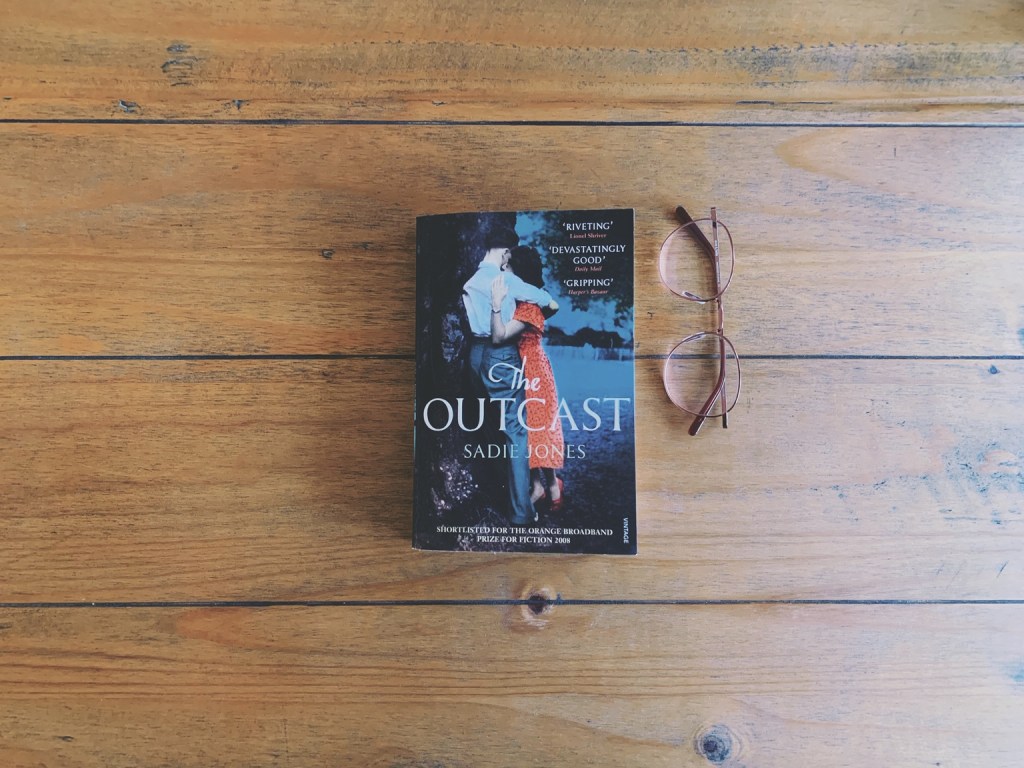
The Outcast is a piece of historical fiction that explores the darker, often hidden traits of human behaviour. Set in a post-war Britain, I would argue the novel’s core theme is identity, with secondary focuses on other themes including trauma, grief, relationships and obsession. In essence, a lot is packed into this story.
The two core characters we follow in the book are Lewis and Kit, we meet both as young children and spend the next twelve years watching their lives unfold and change. The narrative switches between the two, highlighting what goes on behind closed doors. The story starts with Lewis in 1945, who goes with his mother to London to see his father for the first time who’s returned from the war. Up to that point it’s just been Lewis and his mother, who’s doted on him. Lewis’ relationship with his father is different, and this difference becomes more apparent when Lewis’ mother dies, it’s this moment which sets up the rest of the narrative.
If you happen to romanticise the idea of living in the 1950s, this book will give you a much needed reality check. Whilst visually the decade is compelling, The Outcast presents the fifties in a much darker light. One that might make you rethink your answer to that old question ‘if you could live in any other time period, which one would you choose?’.
This novel is set in a quaint English town situated a train ride away from London. Rural and isolated, the town is permeated by a very harmful, stifling atmosphere. Despite being set in an open environment with fields and woodland there is a constant feeling of claustrophobia, with every movement dictated and decision observed. The fifties aesthetic comes at a price; personal freedom.
There are a lot of hard-hitting topics covered. From self-harm and trauma, to alcoholism and domestic abuse, Jones explores a lot of topics that have only really come into open discussion in the last decade. Connect them with a 1950s backdrop and you have a lot of taboo. Public image is everything – the life of you and your family must appear to be flawless and perfect. The novel highlights the extremities of assigning your worth to your image. Much like we edit and filter our lives on social media nowadays, in this novel the same notion is applied to public life. When Lewis loses his mother the physical demonstration of grief is limited. Emotional outbursts are restricted and quickly smothered and The Outcast highlights the dangers and misconceptions this can create. Much like when The Stranger’s Meursault doesn’t cry at his mother’s funeral, Lewis’ and Gilbert’s calm demeanour following the death of Elizabeth carries long-term consequences.
What really got to me when reading this book was the unspoken acceptance of the neglectful treatment the characters face on a near-daily basis. Through Kit we’re introduced to a tragic reality of domestic abuse. Kit’s family is aware of her father’s actions and yet they do nothing. Her sister Tamsin even jokes about it when she finally gets hit, saying “How is it the only time he does it to me, he has to make it show. Yours never do”. Her light-heartedness is merely a deflection though. Violence isn’t accepted in this society. In fact it’s not tolerated at all, to the point where it never gets discussed in the open. The few instances violence is encountered in public it’s treated with mild horror. And yet it is never challenged, instead it’s received in silence, allowed to fester and continues to have a damaging influence on those under its power. Image and relationships are powerful and that is made abundantly clear in The Outcast.
We do also get to see the positives of a strong relationship. Kit’s adoration for Lewis is her source of hope and one she clings to throughout the years. Whilst she’s not afraid to be herself, she holds onto this notion that she wants to be right for him. Unlike the rest of the town she believes she sees the real Lewis, and whilst she definitely doesn’t condemn him like everyone else she does place him on a pedestal of sorts. Similarly, Lewis spends most of his childhood viewing Kit as a kid and symbol of innocence. They’re a constant source of hope for each other in a changing world that regularly denies them a voice.
The ending is perfect and everything I wanted it to be. The BBC did a TV Show adaptation of this book 5 years ago and it was amazing. It’s actually how I found out about the book and concluded I had to see if it would be better. And it really is. A novel that made me feel bitter and sad, yet hopeful simultaneously, it really takes you on an emotional roller coaster. Sadie Jones is incredibly talented and I can’t wait to read more of her work.
Find the book on Goodreads!
 Escape Through The Pages