
Author: Christy Lefteri
Genre: contemporary
Rating: 5/5
Verdict
*slight spoilers ahead*
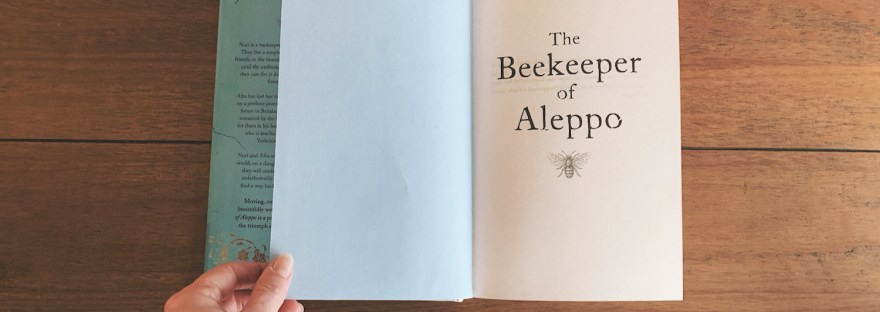
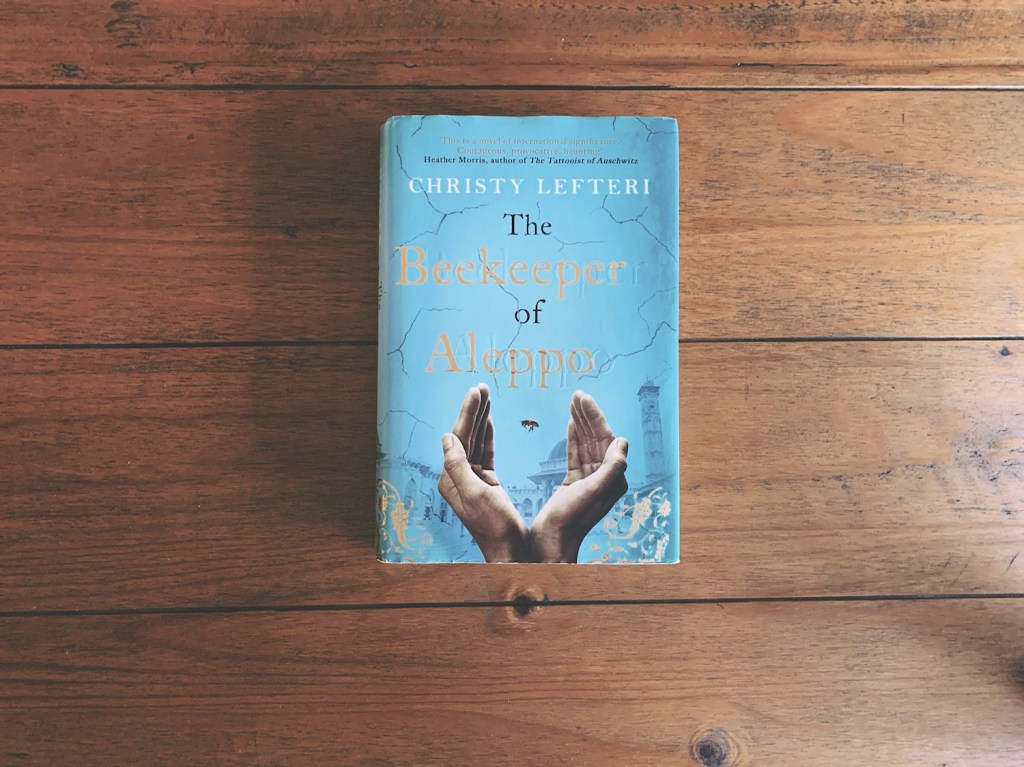
For the first time ever in my life, I have participated in a book swap with a friend. I lent her my copy of The Warlow Experiment, and in return she lent me The Beekeeper of Aleppo.
I’ve only heard positive things about this book, everyone that’s read it has loved it or claimed it to be one of their favourite reads of the year. Having now read this book myself, I understand why.
The Beekeeper of Aleppo is a work of fiction, based on the author’s experience working as a volunteer at a refugee centre in Athens. The story follows Nuri Ibrahim and his wife Afra as they escape the war-torn landscape of their homeland Aleppo in seek of safety and security. We follow their journey as they come to seek Asylum in England and reunite with Nuri’s cousin, Mustafa and his family.
The book gives back immigrants the humanity they are stripped of in the media. Immigrants are too often muted in real life, spoken for by others and rarely given the chance to tell their own story. The Beekeeper of Aleppo allows this voice to be heard and introduces the reader to the determination and willpower anyone would need to survive the hardships immigrants have been enduring for years across the globe. It was an eye-opening novel, portraying a perspective I’ve been shamefully ignorant on.
The novel goes further and highlights the de-humanisation of people the other side of the process. Often the NGO workers and officials interacting with the immigrants and refugees are not fleshed out as individuals. In fact, we only get to know one in detail – Lucy Fisher. The rest are faceless, distant and interrogative as they simultaneously aid and block Nuri and Afra’s journey.
I love the characters, they’re soulful and strong, persevering in a selfish world that presents obstacle after obstacle against them. It begs the question, to what extent would you go to in order to protect your loved ones? Many, I’m sure, would do the same as Nuri. He and Afra endure a lot in their travels and represent a demographic that deserve so much more than what they receive. Nuri has a good amount of money saved, which provides them with more privilege than others and makes their journey just that little bit smoother.
Trauma and violence are embedded in this story, but never explicitly shown. With Nuri experiencing PTSD and Afra’s blindness caused by a bomb, the unspoken suffering of an immigrant is made clear. The displacement Nuri feels is apparent in the structure of the novel, as we seamlessly flow between current England and his journey to that point. A single word is all it takes for the narrative to plunge us backwards in time to a precarious boat journey across the sea, or to remind us of the entrapment and hopelessness our characters felt as they waited in camps.
The ending is a bittersweet one. Whilst it is the best outcome you could hope for the characters, there are still questions left unanswered. Are they granted asylum? Do they get a second chance at building a home in England? Who knows. Much like immigrants across the world, we are left in suspense. The happy ending they desire, unfortunately, is unattainable, as Aleppo continues to become a distorted graveyard, home only to memories of a past they will always yearn for.
All in all, please read. You won’t regret it.
Find the book on Goodreads!
 Escape Through The Pages